
Composite Bonding in Antalya | Smiles Natural Clinic

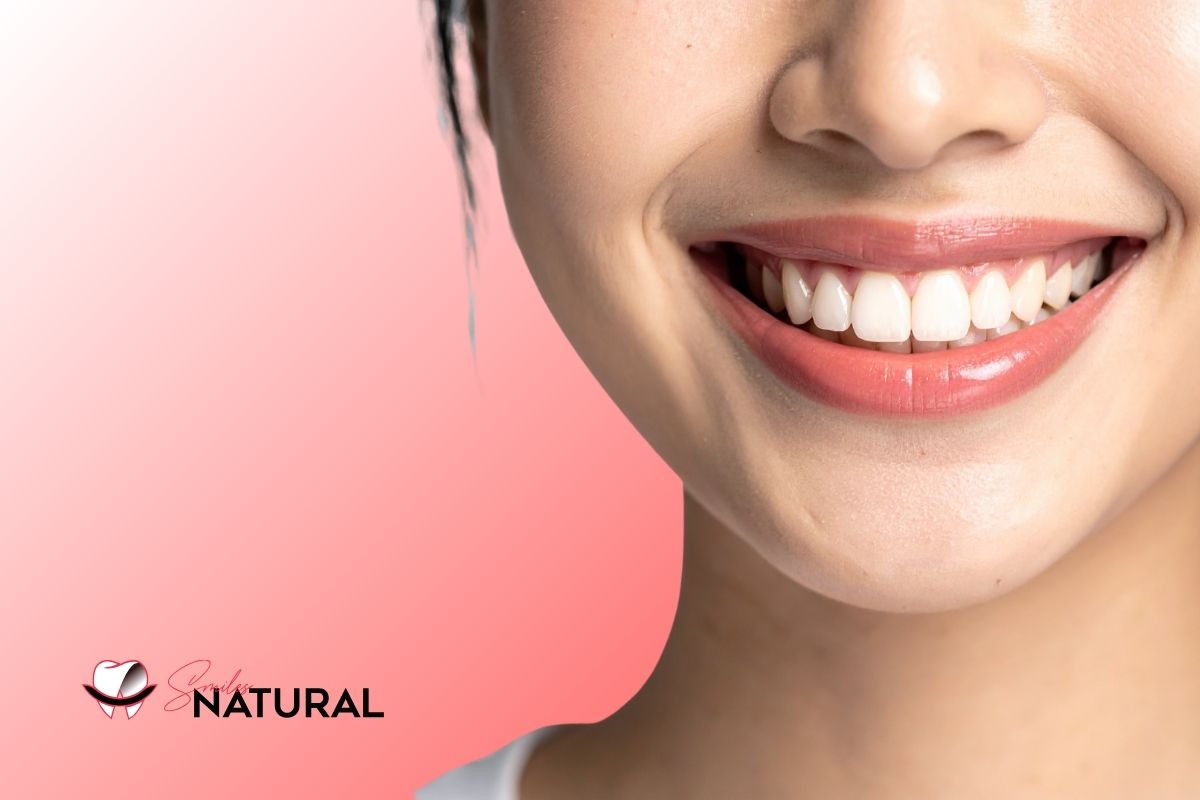
Aesthetic dental treatments have become increasingly popular among patients who want to improve their smile without invasive procedures. Composite Bonding in Antalya is one of the most preferred solutions for patients looking to correct chipped, discolored, uneven, or slightly misaligned teeth while preserving their natural tooth structure. Using high-quality composite resin materials, this treatment allows dentists to reshape the tooth surface, enhance tooth color, and create a harmonious smile in a short time often in a single visit. Thanks to modern dental clinics, advanced digital smile design planning, and experienced dentists, Antalya has become a leading destination in Turkey for patients seeking safe, effective, and affordable smile makeover treatments. Composite bonding offers a conservative alternative to porcelain veneers and more extensive dental procedures, making it an ideal choice for patients who value natural-looking results, comfort, and quality dental care.
What Is Composite Bonding and Who Is It For?
Composite bonding is a conservative dental treatment used to improve the appearance of teeth by applying a tooth-colored composite resin directly onto the tooth surface. The material is carefully shaped and polished to blend seamlessly with natural teeth, allowing dentists to enhance tooth color, close small gaps, and correct minor chips or irregularities without removing healthy enamel.
This bonding treatment is ideal for patients who want visible aesthetic improvement without invasive procedures. It is commonly chosen by individuals with minor cosmetic concerns who prefer a quick and comfortable solution as part of their smile makeover. Patients who value preserving their natural teeth and achieving natural-looking results often find composite bonding to be an effective alternative to porcelain veneers or more extensive dental treatments.
Composite Bonding vs Veneers – Which Is Better for You?
Patients often compare composite bonding with porcelain veneers and laminate veneers when exploring smile enhancement options. Veneers are known for their durability and stain resistance, but they usually require removal of a thin layer of enamel, making the procedure irreversible. Composite bonding, on the other hand, preserves the structure of natural teeth and can often be completed in a single visit.
Composite veneers are generally more affordable and easier to repair if minor damage occurs. Porcelain veneers may be recommended for patients with severe discoloration or extensive aesthetic concerns, while bonding treatment is more appropriate for mild to moderate issues. Choosing the right option depends on individual expectations, tooth condition, and long-term goals, which should always be discussed with an experienced dentist.
Composite Bonding Procedure Step by Step
The composite bonding procedure begins with a detailed consultation at the dental clinic, where the dentist evaluates your teeth, listens to your expectations, and creates a personalized treatment plan. In some cases, digital smile design is used to preview the final outcome and ensure that the new smile complements your facial features and natural tooth proportions.
Once the planning stage is complete, the tooth surface is gently prepared to allow the composite resin to adhere properly. No drilling or tooth extraction is usually required. The composite material is then applied in layers, carefully shaped, and adjusted to achieve a natural appearance. A special curing light is used to harden the material, after which the tooth is polished for a smooth and glossy finish. Most patients can complete their bonding treatment in a single visit and leave the clinic with immediate results.
Is Composite Bonding Painful?
Composite bonding is generally a painless dental treatment and is well tolerated by most patients. Since the procedure does not involve drilling or significant alteration of the tooth surface, anesthesia is often not required. Patients usually feel little to no discomfort during the bonding process.
In some cases, mild sensitivity may be experienced after the procedure, especially when consuming very hot or cold foods. This sensitivity is temporary and typically disappears within a short time. Because the treatment is minimally invasive, patients can return to their normal daily activities immediately, making composite bonding a convenient option for those seeking comfortable and stress-free dental care.
How Long Does Composite Bonding Last?
The durability of composite bonding depends on several factors, including oral hygiene habits, lifestyle choices, and the condition of the natural teeth. On average, composite bonding can last between several years when properly maintained. Although it is not considered a permanent solution, it offers long-lasting aesthetic improvement for many patients.
Daily habits such as teeth grinding, biting hard objects, or consuming staining foods and drinks can affect the lifespan of the composite material. Regular brushing, flossing, and routine dental check-ups play a key role in maintaining the appearance and function of bonded teeth. Dentists may also recommend wearing a night guard for patients who clench or grind their teeth to protect the bonding.
One of the advantages of composite bonding is its repairability. If minor chipping or wear occurs over time, the bonded area can often be easily repaired or refreshed without replacing the entire restoration. This flexibility makes composite bonding an appealing option for patients who want a balance between aesthetics, comfort, and conservative dental treatments.

Composite Bonding Cost in Antalya
The cost of composite bonding varies from patient to patient because every smile has different needs. Factors such as the number of teeth treated, the condition of the tooth surface, the type of composite resin used, and whether the procedure is part of a broader smile makeover all influence the final price. For this reason, an accurate cost can only be determined after a clinical examination and a personalized treatment plan.
One of the main reasons international patients choose Antalya is the opportunity to receive high-quality dental treatments at more accessible prices compared to many countries in Europe or the UK. Modern dental clinics, experienced dentists, and efficient treatment workflows make it possible to offer affordable solutions without compromising quality dental care. Patients also benefit from transparent planning, where all steps of the bonding treatment are explained clearly before the procedure begins.
It is important to remember that lower cost does not mean lower standards. Reputable clinics in Antalya focus on using reliable composite materials and advanced techniques to ensure natural-looking, long-lasting results. For the most accurate pricing and to understand what is included in your treatment, a direct consultation with the dental clinic is always recommended.
Composite Bonding in Turkey – Why Patients Choose Antalya
Turkey has become one of the leading destinations for dental tourism, and Antalya stands out as a preferred city for patients seeking composite bonding treatments. The combination of experienced dentists, modern dental clinics, and advanced treatment technologies allows patients to receive high-quality care in a comfortable and professional setting.
Many clinics in Antalya specialize in aesthetic dentistry and smile makeover procedures, offering personalized treatment plans tailored to each patient’s needs. From the first consultation to the final result, patients are guided through every step of the process with clear communication and attention to detail. The availability of digital smile design further enhances treatment accuracy, helping patients visualize their results before the procedure begins.
Another important reason patients choose Antalya is the overall experience. In addition to quality dental care, patients can enjoy a relaxing environment and recover comfortably while combining treatment with a short holiday. This balance of professional dental treatments, affordability, and patient-focused care makes Antalya an attractive choice for those considering composite bonding in Turkey.
Can Composite Bonding Be Combined with Other Dental Treatments?
Composite bonding can be successfully combined with other dental treatments as part of a comprehensive smile makeover. Depending on the patient’s oral health and aesthetic goals, bonding treatment may be planned alongside procedures such as dental implants, teeth whitening, or minor restorative treatments to achieve a balanced and harmonious result.
In cases where tooth extraction is necessary, composite bonding is usually performed after the area has healed to ensure proper function and appearance. When dental implants are included in the treatment plan, bonding can be used to refine adjacent natural teeth and enhance overall smile symmetry. The correct order of procedures is carefully planned by the dentist to protect natural teeth and maximize long-term success.
Combining treatments allows dentists to address both functional and aesthetic concerns in a structured way. A personalized treatment plan ensures that each procedure supports the others, resulting in natural-looking teeth, improved confidence, and long-lasting satisfaction for the patient.
Who Is Not a Good Candidate for Composite Bonding?
Although composite bonding is a versatile and patient-friendly dental treatment, it may not be the ideal solution for everyone. Patients with severe teeth grinding or clenching habits may experience faster wear or chipping of the composite material, which can shorten the lifespan of the bonding treatment. In such cases, alternative options or additional protective measures may be recommended.
Composite bonding may also be less suitable for individuals with extensive tooth damage, large fillings, or significant misalignment issues. When structural problems are more advanced, treatments such as porcelain veneers, orthodontic solutions, or other restorative dental procedures may provide more predictable and durable results. Patients with deep discoloration that cannot be masked by composite resin alone may also benefit from alternative aesthetic treatments.
A thorough dental examination is essential to determine whether composite bonding is the right option. By assessing tooth condition, bite alignment, and overall oral health, the dentist can recommend the most appropriate treatment plan to ensure both aesthetic success and long-term oral health.

Before & After Expectations
Before starting composite bonding, it is important for patients to have realistic expectations about the final result. The aim of bonding treatment is to enhance the natural appearance of teeth rather than create an artificial or overly uniform look. Composite resin is carefully selected and shaped to match the color, translucency, and texture of natural teeth, allowing the final outcome to blend seamlessly with the existing smile.
In many cases, dentists use digital smile design during the planning stage to help patients visualize potential results before treatment begins. This step improves communication and ensures that both the patient and dentist share the same aesthetic goals. After the procedure, patients typically notice immediate improvements in tooth shape, color, and overall smile balance. With proper care and maintenance, the aesthetic benefits of composite bonding can be enjoyed for years.
Choosing the Right Dental Clinic in Antalya
Choosing the right dental clinic is one of the most important steps for achieving successful and long-lasting composite bonding results. Patients should look for clinics that focus on personalized care rather than one-size-fits-all solutions. A detailed consultation, clear treatment planning, and open communication are key indicators of a reliable dental clinic.
Experienced dentists, the use of high-quality composite materials, and access to modern technology such as digital smile design all contribute to better outcomes. Patients are also encouraged to review before-and-after cases and read genuine patient reviews to better understand the clinic’s approach to aesthetic dentistry. A professional clinic will always prioritize natural-looking results, patient safety, and long-term satisfaction over quick fixes.
Frequently Asked Questions
Is composite bonding permanent?
Composite bonding is not considered permanent, but it can last for many years with proper care. Over time, the composite material may naturally wear down, lose some shine, or develop small chips especially if you bite hard foods or grind your teeth at night. The good news is that bonding is usually easy to maintain: your dentist can often repair, re-polish, or refresh the bonded area without needing to redo everything. For most patients, regular check-ups and good habits make the results stable and satisfying long term.
Does composite bonding damage natural teeth?
In most cases, no. Composite bonding is one of the most conservative aesthetic dental treatments because it typically requires little to no enamel removal. The composite resin is applied to the tooth surface and bonded securely, which means your natural teeth are preserved. This is why many patients choose bonding treatment as an alternative to porcelain veneers, which often require more tooth preparation. Of course, the exact approach depends on your teeth and your goals, so your dentist will evaluate what is safest for your natural teeth.
Can I eat normally after bonding?
Yes, most patients can eat normally soon after the procedure. However, for the first day (and ideally in the first week), it’s smart to avoid extremely hard foods such as nuts, ice, very hard bread crusts, or biting directly into tough foods with the front teeth. Composite material is strong, but like natural teeth, it can chip if exposed to excessive force. If you have a habit of biting your nails, chewing pens, or using teeth as tools, stopping these habits will help protect the bonding.
Does composite bonding stain over time?
Composite resin can stain over time, especially if you frequently consume coffee, tea, red wine, or smoke. Unlike porcelain veneers, composite material is more prone to surface discoloration this doesn’t mean it will look “bad,” but it may lose brightness gradually. Many patients maintain a clean look by:
Brushing regularly and flossing daily
Visiting the dental clinic for professional cleaning
Choosing whitening (if appropriate) before the bonding treatment
Also, if staining occurs, the dentist can often re-polish the surface to restore shine and improve appearance.
Is composite bonding reversible?
In many cases, yes. Because composite bonding usually involves minimal or no tooth reduction, it is generally considered reversible compared to treatments that permanently change the tooth structure. That said, the dentist may perform small surface preparation to help the composite material adhere better this is typically very conservative. If you ever want a different aesthetic solution later (like laminate veneers or porcelain veneers), bonding can often be removed and replaced as part of a new treatment plan.
How many teeth can be treated in one session?
This depends on the complexity of your case and the number of teeth included in your smile makeover. Many patients can have multiple teeth bonded in a single visit, especially when the changes are minor (edge correction, closing small gaps, reshaping). If your plan includes more detailed work such as correcting symmetry, blending tooth color across several teeth, or using digital smile design treatment may take longer or be split into sessions. Your dentist will recommend the best approach to ensure the final result looks natural and balanced.
Is composite bonding painful or will I need anesthesia?
Most patients do not need anesthesia because bonding treatment is non-invasive and typically doesn’t involve drilling. You may feel mild sensitivity during shaping or polishing, but discomfort is usually minimal. If bonding is being used to cover exposed areas or very sensitive teeth, your dentist can use local anesthesia for comfort. After treatment, any sensitivity is usually temporary and resolves within a short time.


