
Dental Veneers Procedure in Antalya | Step-by-Step Patient Guide

Considering dental veneers is often more than a cosmetic decision. Many patients start this journey after years of feeling uncomfortable about their smile discoloration that does not respond to whitening, small gaps between teeth, or uneven shapes that affect confidence in daily life. At this stage, the most common questions are not about appearance alone, but about the procedure itself: How is it done? Will it hurt? How long does it take?
Understanding the dental veneers procedure clearly is essential before making any decision. Veneer treatment is not a single-step process but a carefully planned sequence designed to protect natural teeth while achieving a balanced and natural-looking result. When performed correctly, it focuses as much on oral health and comfort as it does on aesthetics.
Antalya has become a preferred destination for veneer treatment not only because of its modern dental clinics, but also due to its structured treatment planning for international patients. The process is typically organized to minimize stress, reduce the number of visits, and allow patients to feel informed and supported at every stage from the first consultation to the final placement of veneers.
In this guide, we will walk you through the dental veneers procedure step by step, explaining what patients can realistically expect before, during, and after treatment. The aim is to help you make an informed and confident decision, based on clarity rather than promises.
What Are Dental Veneers and Why Are They Chosen?
Dental veneers are thin, custom-made coverings designed to fit over the front surface of teeth. Their primary purpose is to improve the appearance of the smile while preserving as much of the natural tooth structure as possible. Unlike treatments that focus only on color or alignment, veneers address multiple aesthetic concerns at the same time, which is why many patients consider them a comprehensive solution.
Patients usually turn to veneers when other treatments no longer meet their expectations. Tooth whitening, for example, may not be effective for deep discoloration, and orthodontic treatment may feel unnecessary for minor spacing or shape issues. Veneers offer an alternative that focuses on balance, proportion, and natural appearance rather than perfection.
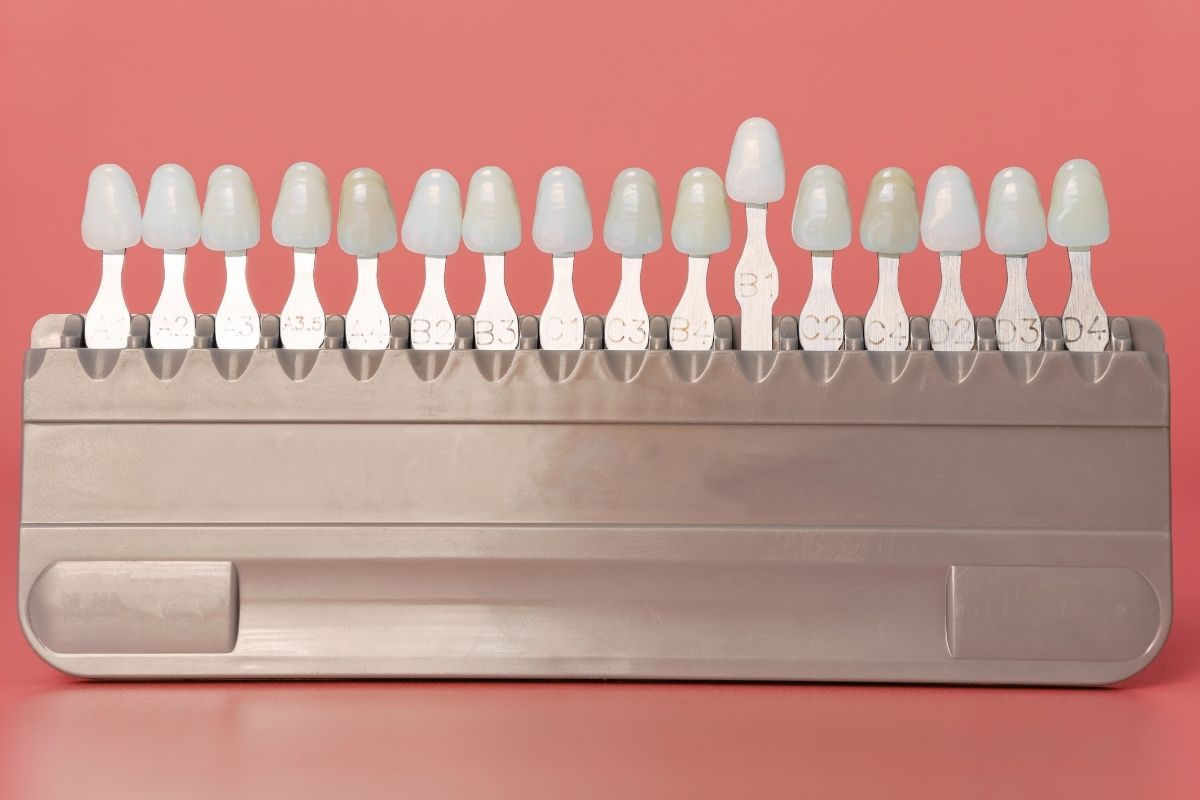
One of the key reasons veneers are chosen is their customization. Each veneer is designed according to the patient’s facial features, lip movement, and smile line. This personalized approach allows the final result to look natural rather than artificial, which is a common concern among patients considering cosmetic dental treatments.
Another important factor is predictability. Veneer treatment follows a planned and controlled process, allowing patients to see and understand the expected outcome before the final placement. This transparency helps reduce anxiety and ensures that the treatment aligns with the patient’s goals and comfort level.
Ultimately, dental veneers are chosen not just to change how teeth look, but to improve how patients feel when they smile, speak, and interact socially. When performed with proper planning and realistic expectations, veneer treatment can offer long-lasting aesthetic improvement without compromising dental health.
Who Is a Good Candidate for Dental Veneers?
Dental veneers can be an excellent solution for many patients, but they are not suitable for everyone. A responsible veneer procedure always starts with determining who will truly benefit from the treatment and who may need alternative options. This evaluation is essential not only for aesthetic success but also for long-term oral health.
Patients Who Benefit Most from Veneers
Veneers are most commonly recommended for patients who have healthy teeth and gums but are unhappy with the appearance of their smile. This often includes individuals with permanent discoloration that does not respond to professional whitening, small gaps between teeth, or minor shape irregularities that affect overall harmony.
Patients who feel that their smile looks uneven in photos or who consciously hide their teeth when speaking or laughing often find veneers to be a confidence-restoring option. When expectations are realistic and the underlying dental structure is sound, veneer treatment can provide predictable and satisfying results.
Who May Not Be Suitable for Veneers?
Not every smile problem should be solved with veneers, and this is an important point to understand. Patients with untreated gum disease, significant tooth decay, or severe enamel loss usually need corrective or restorative treatment before veneers can be considered.
Bruxism (teeth grinding) is another factor that requires careful evaluation. While veneers can sometimes be placed in patients who grind their teeth, additional precautions such as night guards may be necessary to protect the restorations. In some cases, alternative treatments may be more appropriate.
Equally important is the patient’s expectation. Veneers are designed to enhance natural appearance, not to create an artificial or exaggerated look. Patients seeking instant or unrealistic transformations may need a more detailed consultation to align expectations with achievable results.
A thorough examination and open communication between patient and dentist ensure that veneer treatment is chosen for the right reasons and applied in a way that supports both aesthetics and long-term dental health.
Dental Veneers Procedure: Step-by-Step Explanation
Understanding each step of the dental veneers procedure helps patients feel more comfortable and confident before starting treatment. Rather than being a single appointment, veneer treatment is a structured process designed to protect natural teeth while achieving a balanced and natural-looking result. Below is a clear explanation of how the procedure typically progresses in Antalya clinics.
Initial Consultation and Smile Assessment
The first step of the veneer procedure is a detailed consultation. During this appointment, the dentist examines the overall oral health, including teeth, gums, and bite alignment. Photographs, digital scans, or impressions may be taken to better understand the patient’s smile and facial proportions.
This stage is also where patient expectations are discussed openly. The dentist listens carefully to what the patient dislikes about their smile and what kind of improvement they are hoping to achieve. This communication is essential for planning a result that looks natural and suits the patient’s facial features.
Tooth Preparation: Is Any Enamel Removed?
Once the treatment plan is confirmed, the next step involves preparing the teeth for veneers. In most cases, only a very thin layer of enamel is gently reshaped to allow the veneers to fit properly. This preparation is minimal and aims to preserve as much of the natural tooth structure as possible.
Local anesthesia is commonly used to ensure comfort during this stage. Patients typically report little to no discomfort, and the process is generally well tolerated. Understanding that the preparation is conservative often reassures patients who are concerned about tooth damage.
Temporary Veneers and Laboratory Phase
After tooth preparation, temporary veneers may be placed to protect the teeth and maintain appearance while the final veneers are being crafted in the laboratory. These temporaries allow patients to continue daily activities comfortably and provide an early preview of the expected outcome.
During the laboratory phase, the veneers are custom-made to match the planned shape, color, and size. Precision at this stage plays a major role in achieving a natural and harmonious final result.
Final Veneer Placement and Adjustments
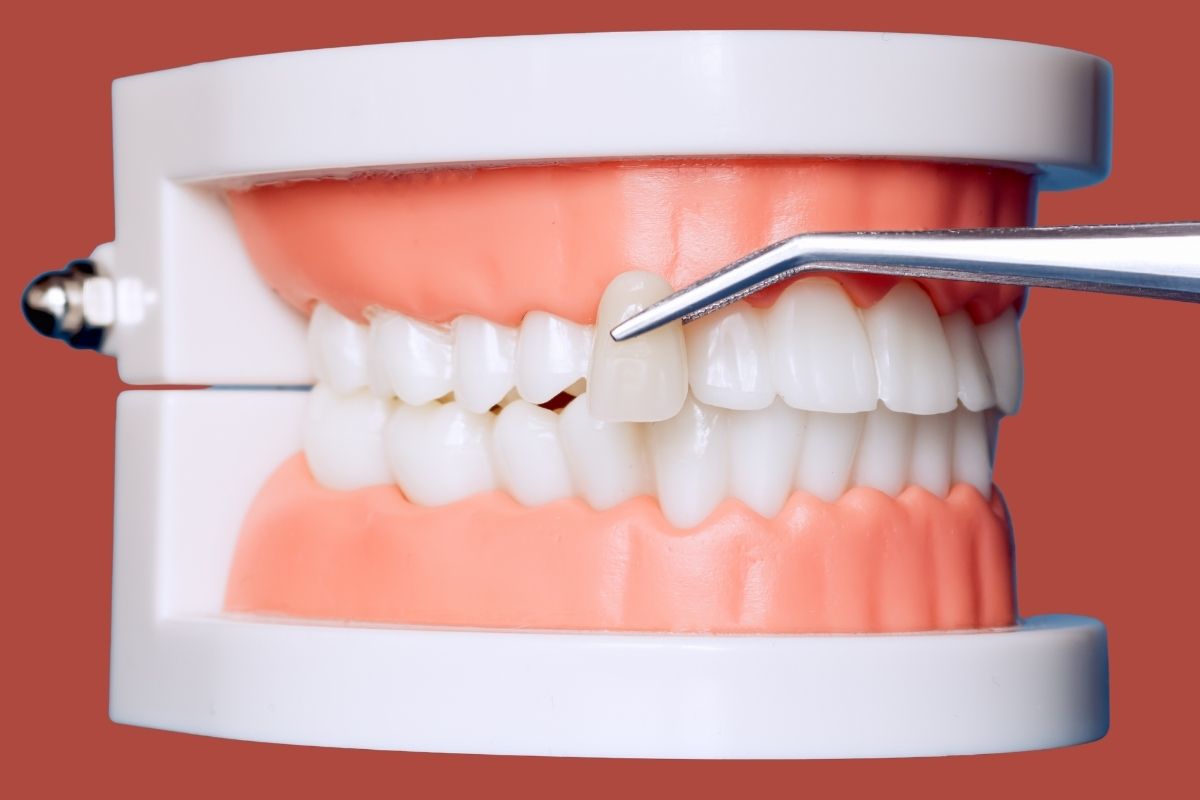
The final step of the dental veneers procedure is the placement of the permanent veneers. Each veneer is carefully bonded to the tooth, followed by adjustments to ensure proper fit and bite alignment. The dentist checks how the veneers look during speaking and smiling to confirm comfort and aesthetics.
Once everything is finalized, the veneers are polished, and the patient receives guidance on aftercare. This marks the completion of the procedure, leaving patients with a refreshed and natural-looking smile.
Is the Dental Veneers Procedure Painful?
Concern about pain is one of the most common reasons patients hesitate before starting veneer treatment. Understanding what is realistically felt during and after the dental veneers procedure can help reduce anxiety and allow patients to approach the treatment with confidence.
During the Treatment
During the veneer procedure, patient comfort is a priority. Local anesthesia is typically used during tooth preparation to prevent discomfort. Most patients describe the sensation as pressure rather than pain, and many are surprised by how straightforward the process feels.
The procedure does not involve deep surgical intervention, which is why it is generally considered minimally invasive. For patients who feel anxious, clinics may also offer additional comfort measures to help them remain relaxed throughout the appointment.
After the Procedure
After the veneers are placed, some patients experience mild sensitivity, particularly to hot or cold foods. This is a normal and temporary reaction as the teeth adjust to the new restorations. In most cases, sensitivity decreases significantly within a few days.
Pain that interferes with daily activities is uncommon. If discomfort lasts longer than expected or feels unusual, patients are encouraged to contact their dentist for evaluation. Clear communication and proper aftercare instructions help ensure a smooth recovery experience.
By understanding the pain-related aspects of the procedure, patients can approach veneer treatment with realistic expectations rather than unnecessary fear.
How Long Does the Dental Veneers Procedure Take in Antalya?
One of the main reasons patients consider veneer treatment in Antalya is the ability to complete the procedure within a well-organized and time-efficient plan. Understanding how long the dental veneers procedure takes helps patients prepare both mentally and logistically, especially when traveling from abroad.
In most cases, the veneer procedure is completed over two to three visits spread across several days. The first appointment usually includes consultation, smile assessment, and tooth preparation. Digital scans or impressions are taken during this visit, and temporary veneers may be placed if needed.
The laboratory phase typically takes a few days, during which the custom veneers are carefully crafted. During this time, patients are free to enjoy their stay in Antalya while maintaining normal daily activities with temporary veneers in place.
The final appointment involves placing and adjusting the permanent veneers. Once this step is completed, patients can usually return to their routine immediately, with only minor aftercare considerations.
For many international patients, the entire process fits comfortably within one week, making it possible to combine dental treatment with a short holiday. This structured timeline is one of the reasons Antalya has become a preferred destination for veneer procedures, as it minimizes disruption while maintaining high treatment standards.
Types of Veneers Used in Antalya Clinics
Choosing the right type of veneer is an important part of the dental veneers procedure. Each option has its own advantages, and the most suitable choice depends on the patient’s dental condition, expectations, and long-term goals. During consultation, dentists in Antalya guide patients through these options to ensure an informed and comfortable decision.
Porcelain Veneers Procedure
Porcelain veneers are widely preferred for their durability and natural appearance. They are custom-made in a dental laboratory and designed to closely mimic the translucency of natural teeth. This makes them especially suitable for patients seeking long-lasting and aesthetically refined results.
The porcelain veneer procedure involves careful planning and precise bonding. Because of their strength, porcelain veneers are often recommended for patients who want a more permanent solution and are willing to undergo a slightly longer treatment process for optimal results.
Composite Veneers Procedure
Composite veneers are applied directly to the teeth using tooth-colored resin material. This option is often chosen by patients looking for a faster treatment process, as composite veneers can sometimes be completed in fewer visits.
While composite veneers are more conservative and cost-effective, they may not offer the same level of durability as porcelain veneers. Dentists typically recommend this option for minor corrections or for patients who prefer a less invasive approach.
Understanding the differences between veneer types allows patients to make a decision that aligns with both their aesthetic goals and lifestyle, ensuring satisfaction with the final outcome.
Recovery and Aftercare After Dental Veneers
Recovery after the dental veneers procedure is generally smooth and does not require significant downtime. Most patients are able to return to their daily routines immediately, which makes veneers a convenient option for those traveling to Antalya for treatment.
During the first 24 to 48 hours, mild sensitivity to hot or cold foods may occur. This reaction is normal and usually temporary as the teeth adapt to the veneers. Dentists often recommend avoiding extremely hard or sticky foods during this initial period to protect the newly placed restorations.
Maintaining good oral hygiene is essential for long-term success. Regular brushing with a non-abrasive toothpaste, daily flossing, and routine dental check-ups help preserve both the veneers and the natural teeth underneath. Patients who grind their teeth may also be advised to use a night guard to prevent unnecessary pressure on the veneers.
Clear aftercare instructions and open communication with the dental team ensure that patients feel supported even after the procedure is complete. When properly cared for, veneers can maintain their appearance and function for many years.
What Results Can Patients Expect?
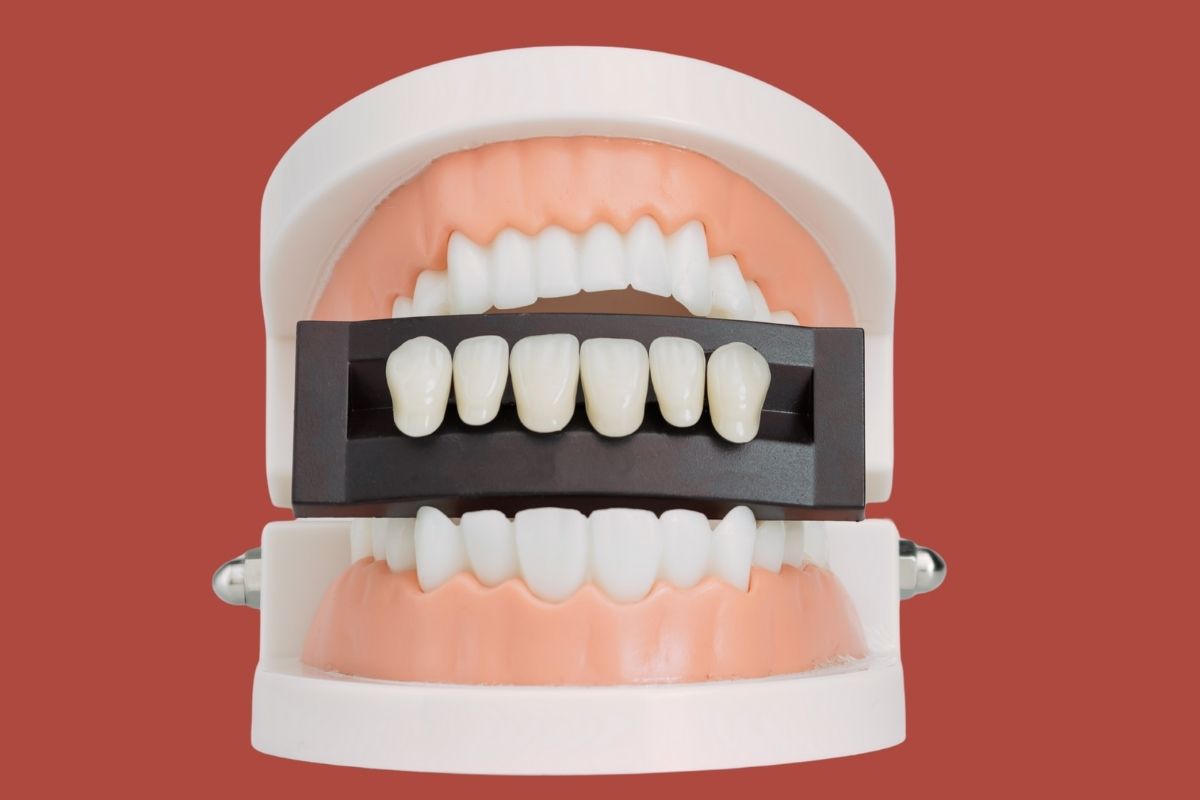
The results of the dental veneers procedure are not meant to look artificial or exaggerated. When planned correctly, veneers are designed to enhance the natural characteristics of a patient’s smile rather than completely change it. This approach helps patients feel comfortable and confident with their appearance in everyday life.
Most patients notice an immediate improvement in tooth color, shape, and overall smile harmony once the veneers are placed. Small gaps can appear more balanced, uneven edges become smoother, and discoloration that could not be corrected with whitening is effectively addressed. The goal is a smile that looks healthy, proportionate, and natural from both near and far.
It is important to understand that veneers are not a “one-size-fits-all” solution. Final results depend on factors such as facial structure, lip movement, and bite alignment. This is why careful planning and communication during the consultation phase play such a significant role in patient satisfaction.
With proper care, dental veneers can last many years. Regular dental check-ups and good oral hygiene habits help maintain both the aesthetic appearance and functional stability of the veneers over time. Patients who follow aftercare recommendations often report long-term confidence and comfort with their smile.
Why Patients Choose Antalya for Dental Veneers
Patients choose Antalya for dental veneers not only because of affordability, but because of the organized treatment experience it offers especially for those traveling from abroad. Clinics in the region are accustomed to working with international patients and therefore focus on clear communication, structured scheduling, and realistic treatment planning.
Another important factor is accessibility. The veneer procedure can often be completed within a short timeframe, allowing patients to plan their visit efficiently without extended stays. This reduces stress and makes the overall experience more manageable, particularly for those balancing treatment with work or family commitments.
Equally important is the emphasis on patient guidance throughout the process. From the initial consultation to aftercare instructions, patients are typically supported at every stage, which helps build trust and confidence. For many individuals, this clarity and continuity play a larger role in their decision than cost alone.
Antalya’s combination of modern dental facilities, experienced professionals, and patient-focused planning has made it a reliable choice for those seeking veneer treatment with predictable and comfortable outcomes.
Our Google Reviews
Frequently Asked Questions
How many veneers are usually needed?
The number of veneers depends on the patient’s smile goals and the visibility of teeth when smiling. Some patients require veneers only on the front teeth, while others may need a wider smile zone for balanced results.
Can I return to work immediately after the procedure?
Yes, most patients can return to normal daily activities right away. Mild sensitivity may occur, but it usually does not interfere with work or social life.
Do dental veneers damage natural teeth?
When planned and applied correctly, veneers are a conservative treatment. Only minimal enamel reshaping is performed, and the goal is to preserve natural tooth structure as much as possible.
How long do dental veneers last?
With proper oral hygiene and regular dental check-ups, veneers can last many years. Longevity also depends on habits such as teeth grinding and overall dental care.
Can veneers be replaced in the future?
Yes, veneers can be replaced if needed. Regular follow-up appointments help monitor their condition and ensure long-term oral health.


